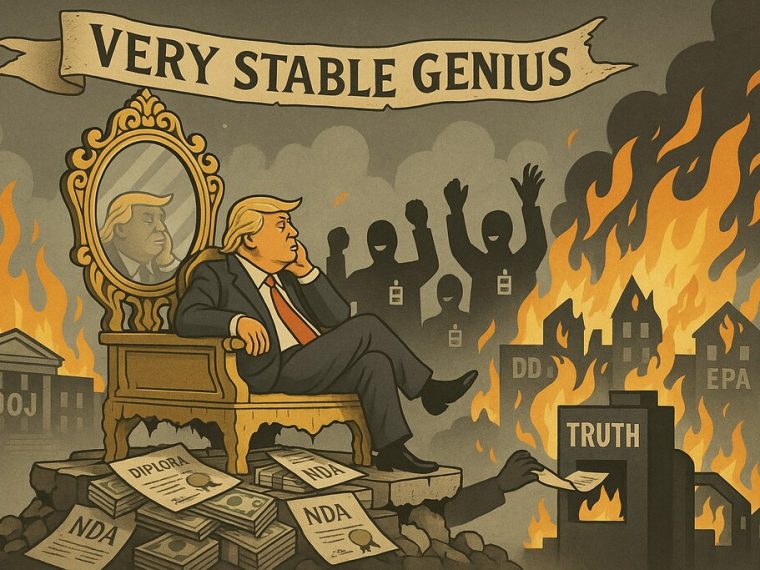
The Trump AI agreement focuses on self-regulation, but it is weak on enforcement. This duality raises questions about its effectiveness in the evolving AI landscape.
Overview of the Trump AI Agreement
The recently announced Trump AI agreement has garnered significant attention for its approach to artificial intelligence regulation. While the agreement emphasizes the importance of self-regulation among technology companies, critics argue that it lacks robust enforcement mechanisms.
One of the key features of the agreement is its emphasis on voluntary guidelines for AI developers. Proponents believe that allowing companies to self-regulate will foster innovation and adaptability in the rapidly evolving tech landscape. However, this approach raises concerns about accountability and transparency.
In contrast, several experts have pointed out that without strict enforcement measures, the potential for misuse of AI technologies remains high. The agreement does not include specific penalties for non-compliance or clear frameworks for monitoring adherence to the established guidelines, leading many to question its efficacy.
Supporters of the Trump AI agreement argue that it encourages a collaborative environment where businesses can share best practices and work together to address ethical concerns. On the other hand, critics warn that relying solely on self-regulation may result in a lack of oversight, which could ultimately endanger consumers and society.
As the technology sector continues to expand, the balance between fostering innovation and ensuring safety will remain a critical issue. The effectiveness of the Trump AI agreement in addressing these challenges will likely be a focal point for ongoing discussions in the coming months.
Self-Regulation in AI: A Double-Edged Sword
The Trump AI agreement emphasizes the importance of self-regulation in the rapidly evolving field of artificial intelligence. Proponents argue that self-regulation allows companies to innovate without the constraints of excessive government oversight. However, critics raise concerns about the potential downsides of this approach.
Self-regulation can lead to a lack of accountability, as companies may prioritize profit over ethical considerations. In the absence of stringent enforcement mechanisms, there is a risk that AI developers might overlook crucial safety and ethical standards. As noted by experts, without clear guidelines and monitoring, the potential for misuse of AI technology increases significantly.
Some key points about self-regulation in the Trump AI agreement include:
- Flexibility: Companies have the freedom to create their own guidelines, which can enable rapid advancements in AI.
- Industry Leadership: The agreement encourages industry leaders to take the initiative in establishing best practices.
- Trust Building: Self-regulation may foster trust between consumers and developers, provided that companies are transparent about their practices.
Despite these advantages, the lack of robust enforcement mechanisms under the Trump AI agreement raises questions about the effectiveness of self-regulation. As the AI landscape continues to grow, the balance between innovation and ethical responsibility remains crucial.
Enforcement Challenges in AI Policies
The enforcement challenges in AI policies outlined in the Trump AI agreement have raised significant concerns among experts and industry leaders. While the agreement emphasizes self-regulation, it falls short in providing robust mechanisms for enforcement, which could lead to inconsistent application of AI standards.
Critics argue that without strong enforcement measures, the potential for misuse of artificial intelligence technologies increases. The reliance on companies to self-regulate may create a landscape where compliance is uneven, and ethical considerations are sidelined in pursuit of profit. Some key issues include:
- Lack of Accountability: Companies may prioritize their interests over public safety, leading to unregulated AI applications.
- Insufficient Oversight: The absence of an independent body to monitor compliance could result in inadequate enforcement of guidelines.
- Variable Standards: Different companies may adopt varying levels of self-regulation, creating disparities in AI performance and safety.
Many experts believe that the Trump AI agreement, while innovative in its approach to self-regulation, must address these enforcement challenges to be effective. Without a framework that includes accountability and oversight, the benefits of self-regulation may be overshadowed by the risks associated with unregulated AI technologies.
Implications for the AI Industry
The implications of the Trump AI agreement for the AI industry are significant and multifaceted. While the agreement emphasizes the importance of self-regulation, it raises concerns about the effectiveness of such measures without robust enforcement mechanisms.
Industry leaders and experts have expressed mixed feelings regarding the reliance on voluntary compliance. On one hand, self-regulation can foster innovation and flexibility, allowing companies to adapt swiftly to technological advancements. On the other hand, the lack of stringent enforcement may lead to inconsistent practices across the sector, potentially jeopardizing user safety and ethical standards.
Key implications of the Trump AI agreement include:
- Market Dynamics: Companies may feel less pressure to adhere to strict guidelines, leading to a race to the bottom in terms of ethical practices.
- Public Trust: The absence of strong enforcement could erode public confidence in AI technologies, as consumers may fear that their data and privacy are not adequately protected.
- Global Competitiveness: Countries with more stringent AI regulations could gain a competitive edge, attracting talent and investment away from regions with looser standards.
Ultimately, the success of the Trump AI agreement will hinge on how industry stakeholders choose to navigate the landscape of self-regulation and address the pressing need for effective enforcement mechanisms.
Comparing Global AI Regulations
In the evolving landscape of artificial intelligence regulation, the Trump AI agreement stands out for its unique approach to governance. While many nations are moving towards stringent regulations, the agreement emphasizes self-regulation, which has sparked significant debate among experts and industry leaders.
When comparing global AI regulations, several key factors emerge:
- Approach to Enforcement: Countries like the European Union have established comprehensive frameworks that prioritize enforcement, aiming to hold companies accountable for their AI systems. In contrast, the Trump AI agreement is criticized for being weak in this area, potentially allowing firms to operate without adequate oversight.
- Self-Regulation vs. Government Oversight: The Trump AI agreement heavily relies on self-regulation, which proponents argue fosters innovation and flexibility. However, critics worry that this approach may lead to inconsistent practices and inadequate protection for consumers and society as a whole.
- Global Competitiveness: The emphasis on self-regulation may position the United States differently on the world stage. While it may attract businesses seeking a less regulated environment, it could hinder the country’s competitiveness in the long run if other nations implement stricter standards.
As the AI sector continues to grow, the implications of the Trump AI agreement’s approach will be closely monitored, particularly concerning its effectiveness in addressing emerging challenges in technology and ethics.
Future of AI Governance
The future of AI governance is poised to be significantly influenced by the recent Trump AI agreement, which emphasizes self-regulation while presenting notable challenges in enforcement. As the technology continues to evolve at a rapid pace, the effectiveness of this agreement in shaping a sustainable regulatory framework remains in question.
One of the key aspects of the Trump AI agreement is its reliance on the industry to self-regulate. Proponents argue that this approach allows for flexibility and innovation, enabling companies to adapt quickly to changing technological landscapes. However, critics warn that such self-regulation may lead to inconsistent standards and practices, ultimately jeopardizing consumer safety and privacy.
Furthermore, the lack of stringent enforcement mechanisms raises concerns about the accountability of AI developers. The agreement’s weaknesses in enforcement could result in a landscape where non-compliance goes unchecked, undermining public trust in AI technologies. To mitigate these risks, it will be crucial for stakeholders to engage in ongoing dialogue and collaboration, ensuring that ethical considerations are at the forefront of AI development.
Looking ahead, the success of the Trump AI agreement will largely depend on the commitment of both the industry and policymakers to prioritize responsible innovation. Balancing self-regulation with effective oversight will be essential to foster a thriving AI ecosystem that aligns with societal values and expectations.
By exit78 via Openverse
Read the original
You might also like
Verizon earnings report: Will it beat estimates again? · National Fuel Gas Company Acquisition: A Smart Move for Growth · Stock Market Crash: Worst Reasons Behind Today’s Drop