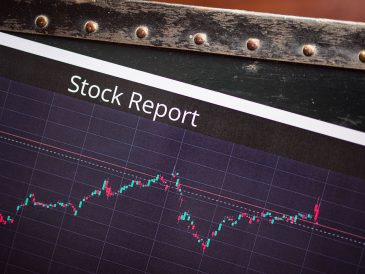
Sensex market recovery is evident as it surged 1,500 points today. This remarkable gain reflects strong performances in FMCG and banking sectors.
Overview of Today’s Market
In a remarkable turnaround, the Sensex market recovery today witnessed a surge of 1,500 points, marking a significant gain for investors. The Nifty 50 also followed suit, rising by 1.85% as key sectors drove the upward momentum. This rally can largely be attributed to strong performances from the FMCG and banking stocks, which have taken center stage in propelling the market forward.
Market analysts suggest that several factors contributed to this positive shift, including renewed investor confidence and favorable economic indicators. The following strategies have been highlighted as effective methods to navigate the market:
- Diversification: Spreading investments across various sectors to mitigate risk.
- Long-term Perspective: Maintaining focus on long-term gains rather than reacting to short-term fluctuations.
- Research and Analysis: Keeping informed about market trends and economic policies that impact stock performance.
- Regular Monitoring: Evaluating investment portfolios consistently to make informed adjustments.
The current Sensex market recovery reflects both resilience and the potential for sustained growth in the coming weeks, encouraging investors to stay optimistic.
Key Drivers Behind Sensex Surge
The recent surge in the Sensex market recovery can be attributed to several key drivers that have significantly influenced investor sentiment. Understanding these factors is crucial for market participants looking to navigate the evolving landscape.
- Strong Corporate Earnings: Many companies have reported better-than-expected quarterly results, particularly in the FMCG and banking sectors, which have fueled optimism among investors.
- Monetary Policy Stability: The Reserve Bank’s commitment to maintaining an accommodative stance has reassured investors, leading to an influx of capital into equities.
- Global Market Trends: A positive outlook from global markets, especially in the United States, has had a ripple effect on Indian stocks, encouraging buying interest.
- Government Initiatives: Recent reforms and initiatives aimed at boosting economic growth have generated confidence in the market, which is critical for ongoing recovery.
- Increased Retail Participation: A surge in retail investors entering the market has added liquidity, further propelling the Sensex upward.
These drivers collectively highlight the resilience of the market, underscoring the potential for continued Sensex market recovery in the near future.
How FMCG Stocks Influenced the Market
The recent recovery in the Sensex market can be significantly attributed to the performance of Fast-Moving Consumer Goods (FMCG) stocks. These stocks have shown resilience and growth, serving as a backbone for the overall market surge. As consumer demand remained robust, FMCG companies reported strong quarterly earnings, instilling confidence among investors.
Key factors influencing this trend include:
- Increased Consumer Spending: With the festive season approaching, consumers are expected to spend more on essential and non-essential goods, boosting FMCG sales.
- Supply Chain Improvements: Companies have streamlined their supply chains, resulting in better inventory management and reduced costs.
- Innovative Product Launches: FMCG firms are continuously innovating, introducing new products that cater to changing consumer preferences.
Additionally, the strong performance of FMCG stocks has a cascading effect on the broader market. Their stability provides a safe haven for investors, particularly during volatile times. As the Sensex market recovery continues, the sustained growth of FMCG stocks will likely play a crucial role in maintaining investor confidence and encouraging further investments.
The Role of Banking Stocks in Recovery
The recent recovery in the Sensex market can be largely attributed to the performance of banking stocks, which have historically played a pivotal role during such upswings. As the market responded positively to various factors, banks emerged as key players driving investor confidence and stabilizing market conditions.
Several factors contributed to the resurgence of banking stocks:
- Strong Earnings Reports: Major banks reported better-than-expected quarterly earnings, highlighting their resilience in a fluctuating economic landscape.
- Improving Asset Quality: A decline in non-performing assets (NPAs) has enhanced the financial health of banks, further encouraging investor interest.
- Regulatory Support: Government initiatives aimed at bolstering the banking sector have provided a safety net for investors, fostering a sense of security.
As banking stocks continue to show strength, their influence on the overall market cannot be understated. This dynamic has significantly contributed to the Sensex market recovery, providing a solid foundation for a sustained upward trajectory. Investors are now keenly observing how these stocks will navigate future challenges while maintaining momentum.
What Investors Should Know
The recent Sensex market recovery has drawn the attention of investors seeking to capitalize on the upward momentum. Understanding the current market dynamics is essential for making informed decisions. Here are a few key points to consider:
- Market Volatility: While the recent surge is promising, it is important to remain cautious. Historical data shows that markets can be unpredictable, and sharp corrections may follow.
- Diversification: A well-diversified portfolio can help mitigate risks. Investors should consider spreading their investments across various sectors to cushion against potential downturns.
- Long-term Perspective: Short-term fluctuations can be tempting, but a long-term investment strategy often yields better returns. Staying focused on long-term goals is crucial.
- Research and Analysis: Keeping abreast of market trends and economic indicators is vital. Investors should conduct thorough research before making any investment decisions.
- Expert Guidance: Consulting with financial advisors can provide valuable insights tailored to individual investment goals and risk tolerance.
By considering these factors, investors can better navigate the complexities of the market and potentially benefit from the ongoing Sensex market recovery.
Market Predictions for the Coming Week
Market analysts are optimistic about the Sensex market recovery in the coming week, given the current momentum and positive trends observed. Several factors are contributing to these predictions:
- Global Market Trends: There is a growing positive sentiment in global markets, which could provide a favorable environment for the Sensex to continue its upward trajectory.
- Corporate Earnings Reports: Upcoming quarterly earnings reports from major companies are expected to reveal strong performance, further boosting investor confidence.
- Policy Changes: Any anticipated policy changes from the government or the Reserve Bank of India may influence market behavior positively, leading to increased investments.
- Sector Performance: Key sectors such as technology and pharmaceuticals are showing signs of recovery, which may provide additional support for the Sensex.
However, market experts advise caution as volatility remains a possibility. Investors should closely monitor economic indicators and corporate announcements that could impact market dynamics. Overall, the outlook for the Sensex market recovery appears promising, but strategic planning is essential for navigating potential risks.
Expert Opinions on Sensex Trends
Experts in the financial sector have shared their insights on the recent Sensex market recovery, emphasizing the importance of strategic investment. According to market analyst Rita Sharma, “The recovery we are witnessing is not just a bounce back; it’s a reflection of strong fundamentals. Investors should focus on sectors that are showing resilience.”
Dr. Anil Mehta, a renowned economist, points out that “the combination of robust FMCG and banking sectors has created a fertile ground for recovery. These sectors not only support the index but also indicate consumer confidence.”
In addition, financial advisor Priya Singh suggests diversifying portfolios to mitigate risks. She states, “While the current momentum is positive, investors should not overlook potential market volatility. A well-balanced portfolio can help navigate uncertain times.”
Moreover, analysts recommend keeping an eye on global economic indicators, as international trends can significantly influence local markets. As the market continues to evolve, experts advise staying informed and adaptable to leverage the ongoing Sensex market recovery.
Overall, the consensus among experts is clear: informed strategies and a focus on resilient sectors are key to capitalizing on current market trends.
Understanding Market Volatility
Market volatility is an inherent characteristic of the financial landscape, impacting investor sentiment and trading strategies. Understanding this volatility is crucial for those looking to navigate the complexities of the market, especially during significant events like the recent Sensex market recovery.
The fluctuations in stock prices can be attributed to various factors, including economic data releases, geopolitical events, and changes in investor behavior. These elements can create a dynamic environment where prices rise and fall dramatically within short periods.
During periods of recovery, such as the recent surge in the Sensex, investors may experience a mix of optimism and caution. Recognizing the signs of a market rebound can enable investors to make informed decisions. Key strategies for managing through volatility include:
- Diversification: Spreading investments across various sectors can help mitigate risk.
- Long-term Perspective: Staying focused on long-term goals rather than reacting to short-term fluctuations can provide stability.
- Regular Monitoring: Keeping an eye on market trends and economic indicators can aid in timely decision-making.
By employing these strategies, investors can better position themselves to capitalize on opportunities presented during recoveries, such as the one witnessed recently in the Sensex market.