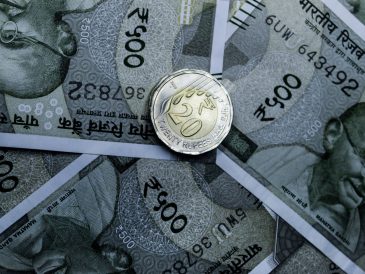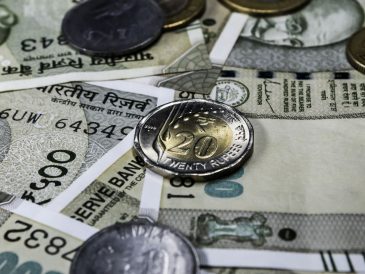

Rupee jumps against dollar as the Reserve Bank of India implements new hedging rules and actively sells greenbacks to stabilize the currency.
Impact of RBI’s New Hedging Rules
The recent adjustments made by the Reserve Bank of India (RBI) regarding hedging rules have significantly influenced the value of the Indian Rupee. As a result, the Rupee jumps against the dollar, reaching a notable value of 95.16. This strategic move by the RBI aims to stabilize the currency amid fluctuating global markets.
Experts suggest that the tightening of hedging regulations is a response to ongoing volatility in the foreign exchange market. By limiting the extent to which companies can hedge their dollar exposure, the RBI is encouraging greater reliance on the domestic currency. This, in turn, can lead to increased demand for the Rupee.
Key impacts of the RBI’s new hedging rules include:
- Strengthening of the Rupee: As companies adapt to new regulations, the demand for Rupees is likely to rise.
- Reduction in Speculative Trading: Tighter rules may deter excessive speculation against the Rupee, promoting stability.
- Encouragement of Long-term Investments: Investors may view the strengthened currency as a sign of economic resilience.
Overall, the RBI’s proactive measures reflect a commitment to enhancing the value of the Rupee in the global market.
Current Forex Market Trends
The foreign exchange market is witnessing significant shifts as the rupee jumps against the dollar, driven by recent regulatory measures from the Reserve Bank of India (RBI). Analysts are closely monitoring the trends, which indicate a robust reaction to the RBI’s intervention.
As of the latest trading sessions, the rupee has strengthened to 95.16 against the dollar, marking a notable increase. This surge reflects the market’s optimism following the tightening of hedging rules by the RBI, which aims to stabilize the currency’s value.
Key trends in the forex market include:
- Increased Demand for Rupee: The tightening of hedging regulations has encouraged more investors to favor the rupee, leading to heightened demand.
- Dollar Supply Reduction: The RBI’s decision to sell greenbacks has effectively reduced the supply of dollars in the market, supporting the rupee’s appreciation.
- Market Sentiment: Positive sentiment among traders and investors is fueling the rupee’s rise, as confidence in the Indian economy grows.
Overall, the current forex market trends suggest a strong outlook for the rupee, with ongoing support from regulatory measures and a favorable economic environment.
Analysis of Rupee’s Performance
The recent performance of the Indian Rupee has garnered attention following the Reserve Bank of India’s (RBI) strategic interventions. As the Rupee jumps against the dollar, analysts are evaluating the implications of these changes on the broader economy.
One of the significant factors contributing to this upward movement is the RBI’s decision to tighten hedging rules. This move is seen as a means to stabilize the currency and curb excessive speculative activities in the foreign exchange market. By enhancing the regulations surrounding currency hedging, the RBI aims to provide a more predictable environment for businesses and investors alike.
Additionally, the RBI’s active selling of dollars has also played a crucial role in influencing the Rupee’s value. This intervention not only supports the currency’s strength but also instills confidence among market participants about the central bank’s commitment to maintaining currency stability.
Despite these favorable developments, experts caution that the Rupee’s trajectory will depend on various global factors, including geopolitical tensions and international trade dynamics. Investors are advised to remain vigilant as fluctuations in the forex market continue to unfold.
Factors Influencing Currency Valuation
The valuation of a currency is influenced by a multitude of factors, each playing a significant role in its strength against other currencies. In the case of the Indian Rupee, several key elements have contributed to its recent jump against the dollar.
- Interest Rates: Changes in interest rates set by the Reserve Bank of India (RBI) directly impact the flow of foreign investments. Higher interest rates typically attract foreign capital, boosting the value of the Rupee.
- Inflation Rates: A lower inflation rate in India compared to the United States makes the Rupee more appealing to investors, enhancing its strength against the dollar.
- Trade Balance: The difference between exports and imports affects currency valuation. A positive trade balance can lead to an appreciation of the Rupee, as it indicates higher demand for Indian goods.
- Political Stability: Political stability and sound governance foster investor confidence, leading to increased foreign direct investment, which can support the Rupee’s value.
- Market Sentiment: Investor perception plays a crucial role. Positive news regarding economic policies can bolster confidence in the Rupee, leading to a rise against the dollar.
These factors collectively contribute to the Rupee’s recent jump against the dollar, reflecting a more favorable economic outlook.
Expert Opinions on RBI’s Strategy
Financial analysts have shared their insights regarding the recent surge in the rupee against the dollar, attributing the positive shift to the Reserve Bank of India’s (RBI) strategic moves. Many experts believe that the RBI’s decision to tighten hedging rules has played a crucial role in stabilizing the currency.
Dr. Anjali Mehra, a prominent economist, stated, “The rupee’s jump against the dollar is a clear indication of market confidence in the RBI’s measures. By selling greenbacks, the RBI has effectively managed liquidity and strengthened the rupee’s position.”
In addition, Rajesh Kumar, a forex strategist, emphasized the importance of the RBI’s proactive approach, noting, “Such interventions not only bolster the rupee but also prevent excessive volatility, which can be detrimental to the economy.”
Some analysts caution, however, that while the rupee’s jump against the dollar is encouraging, ongoing vigilance is necessary. Shilpa Desai, a currency analyst, remarked, “Global economic pressures and geopolitical uncertainties could still impact the trajectory of the rupee, so the RBI’s continued involvement will be critical.”
Overall, the consensus among experts is that the RBI’s recent actions have set a positive tone for the currency market.
Future Outlook for the Rupee
The recent surge in the rupee’s value against the dollar has led many analysts to speculate about the future trajectory of the currency. With the Reserve Bank of India (RBI) implementing tighter hedging rules, the outlook appears optimistic for the rupee in the short to medium term.
Several factors will play crucial roles in determining how the rupee performs moving forward:
- Global Economic Conditions: The strength of the dollar and overall global economic stability will greatly influence the rupee’s position.
- Domestic Economic Policies: Continued reforms and fiscal measures by the Indian government could bolster investor confidence and support the rupee.
- Inflation Rates: Monitoring inflation trends in India will be essential, as rising prices could weaken the currency.
- Foreign Investment: An increase in foreign direct investment (FDI) can significantly impact the rupee’s value positively.
Overall, while the rupee jumps against the dollar, stakeholders must remain vigilant regarding both domestic and international factors that could sway its future performance. A proactive approach by the RBI will be crucial in maintaining this upward momentum.
Comparative Analysis with Other Currencies
The recent surge of the rupee against the dollar has sparked curiosity about its performance in relation to other major currencies. As the rupee jumps against the dollar, it is essential to analyze how it fares against currencies like the euro, pound, and yen.
Currently, the rupee has strengthened significantly, with its value standing at approximately 95.16 against the dollar. This improvement is a notable contrast to its recent performance against:
- Euro: The rupee has shown resilience, trading at around 105.50, reflecting a positive trend as economic stability increases.
- Pound Sterling: With the rupee currently valued at 123.80, the strength against the pound indicates a robust recovery.
- Japanese Yen: The exchange rate of 0.85 signifies a growing confidence in the rupee’s potential.
Analysts suggest that the rupee’s upward trajectory against these currencies is indicative of broader economic stability and confidence, further bolstered by the RBI’s strategic moves. This comparative analysis highlights the potential for the rupee to maintain its momentum in the global currency market.
The recent announcement from the Reserve Bank of India has led to a significant market reaction as the Rupee jumps against dollar, reflecting increased investor confidence. Analysts believe this trend may continue if the RBI maintains its proactive stance on monetary policy, ensuring the Rupee jumps against dollar in the coming weeks.
Photo by Shantanu Kumar on Pexels