
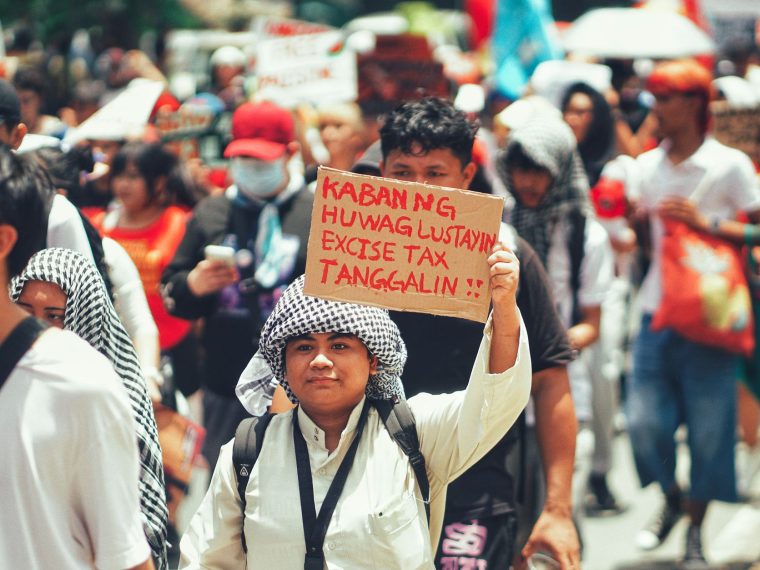
Philippine tax rules have undergone a major overhaul, affecting shared senior discounts for drugmakers and retailers. This change aims to modernize the existing regulations and improve benefits for seniors.
Overview of the New Tax Rules
The recent overhaul of the tax regulations in the Philippines marks a significant change for senior citizens. The Philippine Tax Bureau has introduced new tax rules that aim to enhance the benefits available to seniors, particularly in relation to discounts offered by drugmakers and retailers. These updates are part of a broader initiative to modernize the Philippine tax system, which has remained largely unchanged for 16 years.
Among the key changes are:
- Increased Discount Rates: Seniors will now enjoy higher discounts on essential goods and services, including medications.
- Streamlined Application Process: The process for accessing these discounts has been simplified, making it easier for seniors to benefit.
- Expanded Eligibility: More seniors are expected to qualify for these benefits under the revised guidelines.
These modifications to the Philippine tax rules are designed to provide greater financial relief for the elderly population, who often face rising costs in healthcare and living expenses. By ensuring that seniors receive adequate support, the government aims to improve their overall quality of life.
Impact on Drugmakers and Retailers
The recent changes in the Philippine tax rules have significant implications for drugmakers and retailers. These adjustments aim to enhance the benefits available to senior citizens, particularly in the context of shared discounts for essential goods and services. As the Philippine Tax Bureau overhauls the 16-year-old regulations, stakeholders must navigate the new landscape carefully.
For drugmakers, the revised tax framework could lead to:
- Increased Compliance Costs: Adapting to new reporting and compliance requirements may necessitate additional resources and personnel.
- Potential for Enhanced Sales: With improved discounts for seniors, drugmakers may see a rise in demand for their products, benefiting their bottom line.
Retailers, on the other hand, may experience:
- Greater Customer Loyalty: By offering more attractive discounts, retailers could foster stronger relationships with senior citizens.
- Operational Adjustments: Implementing the new tax rules may require changes in pricing strategies and inventory management.
Overall, the adjustments in Philippine tax rules present both challenges and opportunities for drugmakers and retailers, highlighting the need for strategic planning as they adapt to these changes.
How Seniors Benefit from Changes
The recent overhaul of the Philippine tax rules introduces significant benefits for seniors, particularly in regards to discounts and exemptions. These changes aim to enhance the financial well-being of older citizens, ensuring they receive adequate support in their daily expenses.
One of the most impactful adjustments is the extension of senior citizen discounts on essential goods and services, which include:
- Medications: Seniors will now enjoy increased discounts on prescription drugs, alleviating the burden of healthcare costs.
- Utilities: Special rebates on utility bills will help seniors manage their monthly expenses more effectively.
- Transport: Enhanced discounts on public transportation ensure seniors can travel at reduced costs.
Additionally, the new tax rules provide tax exemptions on certain income levels for seniors, allowing them to retain more of their earnings. This adjustment is crucial for retirees relying on fixed incomes.
Overall, these modifications not only reflect the government’s commitment to supporting its senior citizens but also mark a significant step forward in adapting the Philippine tax rules to better meet the needs of an aging population.
Comparison with Previous Regulations
The recent changes in the Philippine tax rules represent a significant shift from the previous regulations that had been in place for over 16 years. Under the old framework, senior citizens faced numerous challenges when trying to access discounts and benefits from drugmakers and retailers. The outdated guidelines often resulted in confusion and inconsistencies, making it difficult for seniors to fully enjoy their entitlements.
One of the key differences in the new regulations is the streamlined process for verifying eligibility for discounts. Previously, seniors had to present various forms of identification and documentation, which could be cumbersome. Now, the requirements have been simplified, ensuring a more efficient experience for elderly consumers.
Moreover, the updated tax rules provide clearer definitions and parameters around what constitutes qualifying purchases, reducing ambiguity for both seniors and businesses. This change is expected to encourage more retailers and drug companies to actively participate in discount programs, thereby enhancing accessibility for senior citizens.
Overall, the comparison with the previous regulations highlights a more inclusive approach, fostering a supportive environment that acknowledges the financial needs of the aging population in the Philippines.
Reactions from the Industry
Reactions from various sectors regarding the recent updates to the Philippine tax rules have been mixed, reflecting a spectrum of opinions on the changes aimed at benefiting seniors. Industry leaders express optimism, particularly drugmakers and retailers who are poised to adapt to the new regulations.
- Support from Senior Advocacy Groups: Many senior advocacy groups have welcomed the overhaul, emphasizing that it addresses long-standing concerns about accessibility and affordability of medicines and essential goods.
- Concerns from Some Retailers: Conversely, certain retailers worry about the potential impact on their profit margins, suggesting that while the discounts are beneficial for consumers, they may strain smaller businesses.
- Tax Experts Weigh In: Tax experts point out that the revised Philippine tax rules could streamline compliance for businesses, ultimately benefiting both seniors and the economy if implemented effectively.
The overall sentiment appears to lean towards cautious optimism, with stakeholders recognizing the potential for positive reform while remaining vigilant about the challenges that may arise as the new regulations take effect.
Future of Senior Discounts in the Philippines
The future of senior discounts in the Philippines appears promising following the recent overhaul of the country’s tax regulations. The Philippine Tax Bureau has made significant changes aimed at ensuring that the benefits intended for seniors are fully realized and properly implemented by businesses.
One of the most notable updates is the clarification on the eligibility criteria for discounts, which now includes a wider range of services and products. This move is designed to address previous ambiguities that often left seniors without the benefits they deserved. With the new Philippine tax rules, businesses are encouraged to engage in transparent practices, ensuring that seniors can easily access their entitled discounts.
Additionally, many retailers and drugmakers are now required to have systems in place that automatically apply senior discounts at the point of sale. This change aims to streamline the purchasing process for seniors, making it more efficient and less prone to errors.
As the implementation of these new regulations unfolds, there is optimism that the future of senior discounts will not only enhance the quality of life for the elderly but also foster a more inclusive economy.
Understanding the Philippine tax rules is crucial for seniors looking to maximize their benefits. Recent amendments to the Philippine tax rules have introduced several provisions aimed at easing the financial burden on the elderly population.
Photo by Mico Medel on Pexels