
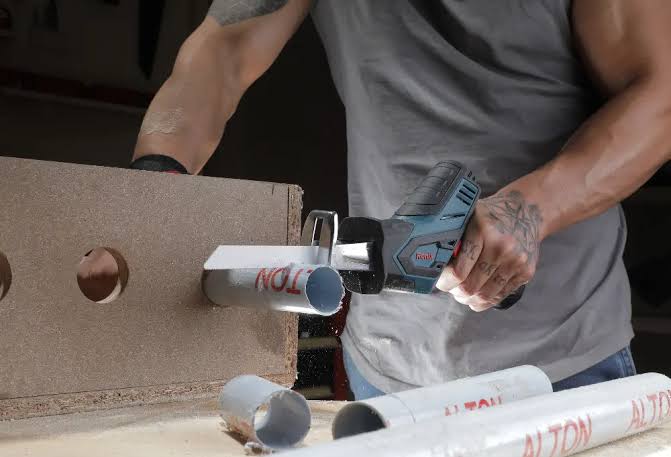
Renovation projects have a way of throwing unexpected challenges at you. What looks like a straightforward wall removal turns into a tangle of hidden conduits, old timber, and corroded fasteners. Knowing which tool to reach for—and more importantly, which version of that tool to own—can be the difference between a smooth project and a frustrating one. Reciprocating saws sit at the center of this discussion, offering a level of versatility that few other cutting tools can match. But not all models are created equal, and buying one without understanding your specific needs is a common and costly mistake.
The Role of a Reciprocating Saw in Modern Renovation
Modern renovation work demands tools that adapt to the job, not the other way around. A reciprocating saw fits this requirement precisely. Its design allows it to cut in spaces where a circular saw can’t fit, and to handle materials that a jigsaw would struggle with. The tool’s long, narrow blade reaches into wall cavities, cuts flush to surfaces, and handles everything from seasoned hardwood to thin-gauge sheet metal.
Renovation professionals frequently cite this tool as one they’d never want to be without. Its utility across demolition, rough cutting, pipe work, and framing stages of a project makes it a constant presence from day one to final finishes.
Key Power Ratings and What They Mean
For corded reciprocating saws, amperage is the primary indicator of power. Higher amperage models sustain performance through demanding cuts without bogging down under load. For lighter renovation tasks—cutting drywall, thin timber, or small-diameter pipes—lower amperage models are perfectly adequate and typically lighter.
For cordless models, voltage is the equivalent measure. Higher voltage platforms provide more torque and sustained power, especially beneficial for dense material cutting. Battery capacity, measured in amp-hours, determines how long the tool runs before recharging. Renovation work often involves moving between areas, so having a spare battery charged and ready prevents unnecessary downtime.
Variable Speed and Trigger Control
One characteristic that separates a skilled tradesperson from a novice is trigger control. Variable speed triggers allow the user to modulate the blade speed in real time—starting slow through difficult or brittle materials and ramping up once the cut is established.
This feature is especially valuable when cutting through materials close to electrical wiring or plumbing. A slow, deliberate start reduces the risk of unexpected contact. Saws with soft-start features also reduce blade skipping at the beginning of a cut, improving both safety and accuracy.
The Importance of a Solid Blade Clamping System
The blade clamping system holds the blade during operation. A weak or worn clamping mechanism leads to blade wobble, which translates directly to rough, imprecise cuts and accelerated blade wear. High-quality reciprocating saws feature robust, tool-free clamps that hold blades firmly at the correct angle without play.
Some models also accept blades in multiple orientations—facing up or down—which expands cutting flexibility, particularly in tight or overhead spaces where a standard downward-facing blade position is impractical.
When Compact Models Make More Sense
Not every reciprocating saw needs to be a full-size unit. Compact and sub-compact models have carved out a genuine role in renovation work, particularly for tasks that require access to confined areas—cutting inside cabinets, between joists, or in roof cavities.
These smaller tools sacrifice some raw power but gain significantly in maneuverability. For electricians and plumbers who need to cut pipe or conduit in finished spaces without causing collateral damage, a compact reciprocating saw with a short blade is often the more appropriate choice. Having both a full-size and compact model in a toolkit covers the full range of renovation scenarios without compromise.
Dust and Debris Management
Demolition generates substantial dust and debris, and reciprocating saws are no exception. While few models include built-in dust collection, some offer compatibility with aftermarket accessories that help manage debris, particularly when cutting drywall or insulation materials.
More practically, understanding how the saw’s exhaust vent is positioned matters when working in enclosed spaces. Models that direct exhaust away from the cutting area keep the line of sight clearer and reduce debris contact with the user’s face.
Matching Blade Tooth Count to Material
Beyond blade material, the tooth count—measured in teeth per inch (TPI)—significantly affects cut quality and speed.
Lower TPI blades cut faster but leave rougher edges. These are suited to demolition work where finish quality is irrelevant.
Higher TPI blades cut slower but produce cleaner results. These are appropriate for metal pipe, sheet metal, or anywhere a controlled, precise cut is needed.
Carrying a selection of blades and switching based on the task at hand is standard practice among experienced renovators.
Safety Practices That Extend Tool Life
Operating a reciprocating saw safely isn’t only about avoiding injury—it also protects the tool itself. Forcing a blade through material that exceeds its capacity strains the motor and shortens its lifespan. Allowing the blade to bind and then driving harder through it causes overheating and premature wear on both blade and drive mechanism.
Letting the blade reach full speed before contacting the material, supporting the workpiece to minimize vibration, and using the shoe firmly against the surface are habits that improve both safety and cutting performance.
Final Thoughts on Selection
A reciprocating saw is a long-term investment for anyone serious about renovation and demolition work. The right model—matched to your typical materials, work environment, and power source preferences—will serve reliably across hundreds of projects. Prioritize build quality, blade system versatility, and ergonomic design over headline features that may rarely be used.
