
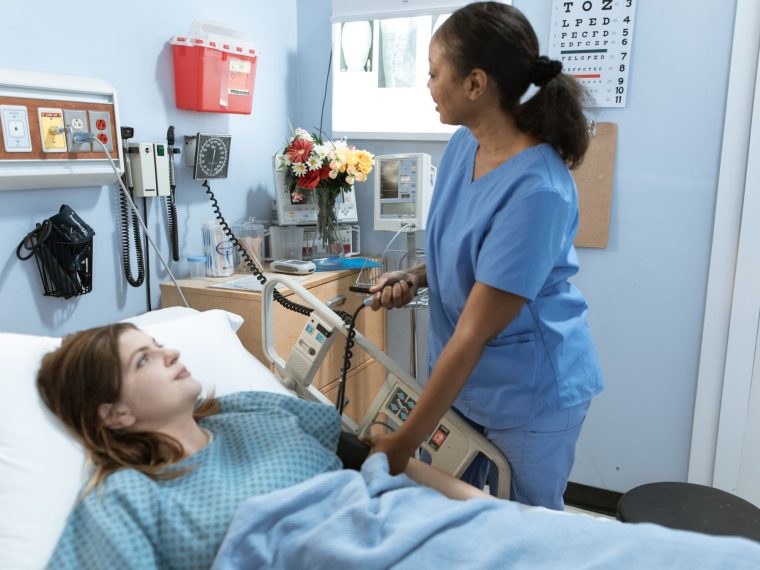
Modern healthcare requires professionals who combine clinical competence with compassion, responsibility, and effective communication. Nursing is particularly significant because nurses remain closely involved in patient care throughout treatment, recovery, and ongoing support. For qualified professionals and people entering the field, Nursing jobs (pflege jobs) can offer varied career directions and opportunities to strengthen practical abilities in different healthcare environments.
In This Article
- Understanding the Role of a Professional Nurse
- The Value of Communication in Healthcare
- Career Paths Across Healthcare Settings
- Qualities Employers Value
- The Importance of Professional Growth
- Making a Focused Job Search
- Building a Sustainable Nursing Career
Understanding the Role of a Professional Nurse
Nursing involves a broad range of responsibilities that extend beyond basic patient assistance. Depending on the workplace, nurses may observe patients, maintain care records, support treatment plans, assist healthcare teams, and provide guidance to patients and families.
Accuracy is fundamental to these responsibilities. Patient information must be recorded carefully, procedures must be followed correctly, and relevant changes in a patient’s condition should be communicated promptly. These expectations make nursing a profession where responsibility and attention to detail are essential.
The Value of Communication in Healthcare
Communication influences almost every aspect of nursing practice. Patients may feel uncertain or anxious during medical treatment, and a professional nurse can help create a more supportive environment through clear and respectful communication.
Nurses also communicate with doctors, therapists, care coordinators, family members, and other professionals. Sharing relevant information accurately supports teamwork and helps maintain continuity of care. Professionals who listen actively and communicate clearly can contribute positively to both patient experiences and workplace collaboration.
Career Paths Across Healthcare Settings
One of the notable features of nursing is the range of possible working environments. Nurses may find opportunities in hospitals, clinics, rehabilitation services, elderly care facilities, community healthcare, and other specialized settings.
Each environment has its own responsibilities and working patterns. Hospital nursing may involve frequent changes in patient needs and close coordination with medical teams. Long-term care can place greater emphasis on continuity, daily support, and developing familiarity with individual patients. Community-based nursing may require professionals to work more independently while supporting people in their usual living environments.
This diversity allows professionals to explore career directions that suit their interests, experience, and preferred style of work.
Qualities Employers Value
Healthcare organizations typically seek candidates who demonstrate dependable professional behavior and a strong commitment to patient care. Qualifications and practical knowledge are important, but interpersonal qualities also influence workplace performance.
Reliability, teamwork, adaptability, empathy, and organizational ability are valuable in demanding healthcare environments. Candidates should be able to manage responsibilities systematically while maintaining appropriate professional boundaries.
A strong application should communicate relevant qualifications and experience clearly. It should also show how the candidate’s skills relate to the requirements of the position.
The Importance of Professional Growth
Nursing practice continues to evolve as healthcare systems adopt new technologies, procedures, and approaches to patient support. Continuing education therefore remains an important part of professional development.
Additional training can help nurses strengthen existing competencies or prepare for specialized areas of practice. Professional development can also improve confidence and encourage individuals to take on broader responsibilities as their experience grows.
Maintaining current knowledge demonstrates a commitment to quality and helps professionals respond effectively to changing workplace expectations.
Making a Focused Job Search
Finding a suitable nursing position requires more than applying broadly. Candidates should first identify the type of environment, responsibilities, and career direction that fit their professional goals.
Carefully reviewing job descriptions can help applicants understand required qualifications, daily responsibilities, and workplace expectations. Preparing a clear CV and presenting relevant experience in a structured way can make the application easier for employers to assess.
It is also useful to consider opportunities for professional learning, teamwork, and long-term development when comparing potential positions.
Building a Sustainable Nursing Career
A successful nursing career develops through experience, learning, and consistent professional practice. Nurses have the opportunity to strengthen their clinical knowledge while building communication and leadership abilities that can support future progression.
For individuals who want a career centered on responsibility, human connection, and continuous learning, nursing offers a strong professional foundation. With careful preparation and a focused approach to employment opportunities, candidates can find roles that align with their abilities and contribute meaningfully to the healthcare sector.


