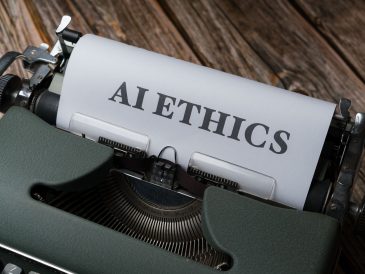
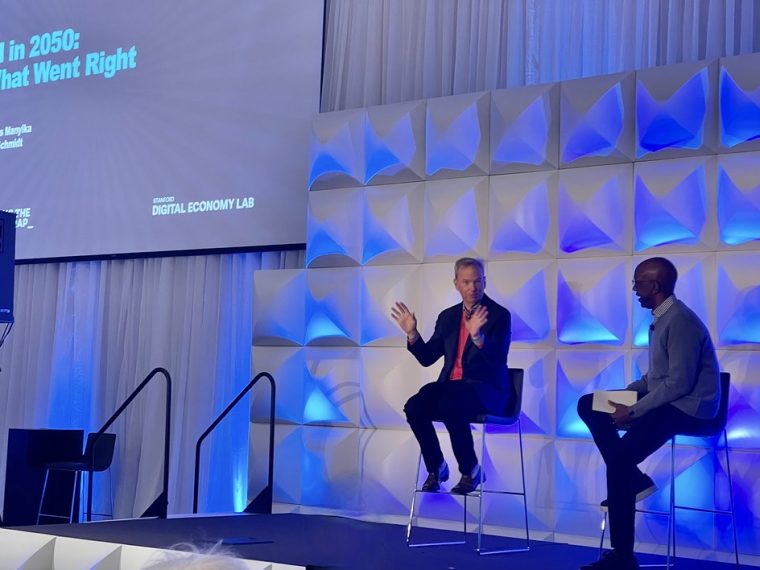
AI executives regulation has become a contentious issue, highlighted by Scott Bessent’s striking comparison to Hannibal Lecter.
The Current Landscape of AI Regulation
The debate surrounding AI executives regulation has intensified as industry leaders express a growing desire for oversight. This call for regulation, however, has sparked a variety of reactions from experts and the public alike. Many see it as a necessary step towards ensuring responsible development and deployment of artificial intelligence, while others view it as an attempt to sidestep accountability.
Scott Bessent, a prominent figure in the financial sector, likened the situation to a famous line from cinema, suggesting that AI executives are akin to characters who recognize their potential for harm but fail to take responsibility for their actions. He emphasized the urgency of addressing the ethical implications of AI, stating that industry leaders need to acknowledge the risks involved in their creations.
The current landscape of AI regulation is fragmented, with various countries and organizations trying to establish guidelines. Some key points include:
- Ethical standards: Developing frameworks that prioritize human rights and safety.
- Transparency: Ensuring that AI systems are understandable and accountable.
- Collaboration: Encouraging cooperation between governments, tech companies, and civil society to address concerns.
As discussions evolve, the role of AI executives in shaping these regulations will be crucial, raising questions about their commitment to ethical practices in an increasingly complex technological landscape.
Scott Bessent’s Provocative Comparison
In a recent commentary, Scott Bessent stirred controversy by likening AI executives’ calls for regulation to the infamous fictional character Hannibal Lecter. His analogy, “Stop me before I kill again!” highlights a troubling paradox within the tech industry, where leaders advocate for stricter oversight even as they wield unprecedented power over artificial intelligence. Bessent’s comparison has sparked debates across the globe, raising questions about the motivations behind these appeals for regulation among AI executives.
Many industry leaders argue that regulation is essential to ensure the safe development of AI technologies. However, Bessent warns that such requests may mask a deeper desire to secure their own positions amid growing scrutiny. He argues that instead of fostering accountability, this behavior could lead to an environment where executives dodge responsibility, all while maintaining control over powerful AI systems.
Critics of AI executives regulation echo Bessent’s concerns, suggesting that this approach could unintentionally stifle innovation and create barriers to entry for new companies. The nuances of this debate reveal a complex landscape where the push for regulation may not only reflect genuine concern but also self-preservation tactics among those at the helm of powerful AI technologies. As the dialogue continues, the implications for both the industry and society at large remain to be seen.
Implications for the Tech Industry
The ongoing debate surrounding AI executives regulation has significant implications for the tech industry. As companies rush to innovate and implement artificial intelligence solutions, the call for stricter oversight raises questions about the balance between innovation and accountability. Industry leaders are grappling with the potential consequences of increased regulation, which could stifle creativity and slow down the pace of technological advancement.
One major concern is that heavy-handed regulation might lead to a chilling effect on investment in AI technologies. Investors may hesitate to fund projects that could be subject to stringent compliance requirements, ultimately hampering the development of groundbreaking solutions. Furthermore, smaller startups may struggle to navigate complex regulatory landscapes, giving an advantage to larger corporations with more resources.
Another implication relates to the ethical considerations surrounding AI deployment. As Scott Bessent suggests, the analogy of AI executives likening themselves to Hannibal Lecter highlights a fear of unrestrained growth and unchecked power in the tech landscape. Striking a balance between necessary regulations and fostering innovation will be crucial for the industry’s future.
In conclusion, while the call for AI executives regulation aims to promote responsible usage, it is essential for policymakers to consider the long-term impact on technological progress. The tech industry must engage in constructive dialogue to shape a regulatory framework that encourages innovation while ensuring accountability.
Calls for Responsible AI Leadership
In the ongoing debate surrounding AI executives regulation, industry leaders find themselves at a crossroads, advocating for a framework that promotes responsible AI development. As the technology continues to evolve, the call for ethical leadership becomes increasingly urgent. Many believe that AI executives must take the reins in ensuring the safety and accountability of their innovations.
Experts argue that the responsibility of managing AI’s impact should not solely rest on regulatory bodies, but rather on those who create the technology. An emphasis on proactive measures can prevent potential misuse and mitigate risks associated with AI. This perspective aligns with the growing sentiment among stakeholders who stress the importance of ethical considerations in AI deployment.
- Transparency: AI executives should prioritize clear communication about how their systems operate and the potential consequences of their use.
- Accountability: Companies must establish frameworks that hold leadership responsible for the ethical implications of their products.
- Collaboration: Engaging with governments, civil society, and other experts can help shape regulations that foster innovation while safeguarding against harm.
Ultimately, the call for responsible AI leadership underscores the need for a balanced approach. While regulation is essential, AI executives regulation should not stifle creativity but rather guide it towards a more ethical future.
The recent push for AI executives regulation has sparked intense debate among industry leaders. Critics argue that AI executives regulation could stifle innovation and hinder progress in the rapidly evolving tech landscape.
By jurvetson via Openverse