AI collaboration tools are reshaping how teams work together. OpenAI’s latest announcement highlights the potential for improved efficiency and innovation.
Introduction to AI Collaboration Tools
As businesses increasingly embrace digital transformation, the emergence of AI collaboration tools has revolutionized the way teams operate. These innovative solutions leverage artificial intelligence to enhance communication, streamline workflows, and foster collaboration among team members, regardless of their geographical locations.
AI collaboration tools offer a range of functionalities that can significantly improve productivity. They can analyze data trends, automate repetitive tasks, and provide real-time insights, making it easier for teams to focus on strategic decision-making. This shift not only boosts efficiency but also encourages a more creative and engaged work environment.
Moreover, with the introduction of platforms like ChatGPT Space by OpenAI, organizations are witnessing a new era of teamwork where AI not only assists but also actively participates in discussions. This integration allows for enhanced brainstorming sessions and improved problem-solving capabilities.
As companies continue to adopt these tools, understanding their potential and best practices for implementation will be crucial for achieving success in this dynamic landscape.
Benefits of Team and AI Collaboration
The integration of AI collaboration tools into team workflows offers numerous advantages that can significantly enhance productivity and creativity. By leveraging advanced algorithms and machine learning capabilities, these tools facilitate real-time communication and streamline project management.
Some of the key benefits include:
- Increased Efficiency: AI collaboration tools automate repetitive tasks, allowing team members to focus on high-value activities.
- Enhanced Decision-Making: With access to data-driven insights, teams can make informed decisions more quickly, reducing the time spent on deliberation.
- Improved Communication: These tools foster better collaboration by breaking down silos and ensuring that team members are on the same page.
- Personalized Workflows: AI can adapt to the specific needs of a team, tailoring suggestions and workflows that suit individual preferences.
- Scalability: As teams grow, AI collaboration tools can easily scale to accommodate new members and increased project demands.
By harnessing the power of AI collaboration tools, organizations can create a more dynamic and engaged work environment, ultimately leading to greater success.
Challenges in Implementing AI Tools
The implementation of AI collaboration tools presents several challenges that organizations must navigate to ensure successful integration. Understanding these obstacles is crucial for maximizing the benefits of these innovative technologies.
- Resistance to Change: Employees may feel apprehensive about adopting AI tools, fearing job displacement or the complexity of new systems. This reluctance can hinder effective collaboration.
- Integration Issues: Incorporating AI tools with existing workflows and technologies can be complicated, leading to potential disruptions in daily operations.
- Data Privacy Concerns: As AI tools often require access to sensitive information, organizations must address privacy issues to maintain trust among team members and clients.
- Skill Gaps: Teams may lack the necessary skills to utilize AI collaboration tools effectively, highlighting the need for targeted training programs.
- Cost of Implementation: The initial investment in AI technology, along with ongoing maintenance costs, can be a significant barrier for many organizations.
By proactively addressing these challenges, businesses can leverage AI collaboration tools to enhance teamwork and drive innovation.
Real-World Examples of AI Collaboration
In the rapidly evolving landscape of AI collaboration tools, real-world examples showcase their transformative potential. Companies across various sectors are adopting these technologies to enhance teamwork and streamline processes.
One notable instance is a tech startup that integrated AI collaboration tools into their project management system. By utilizing AI-driven analytics, teams were able to identify bottlenecks in real time, leading to a 30% increase in productivity within the first quarter of implementation.
Another example is a healthcare organization that employed AI collaboration tools to facilitate communication between doctors and researchers. This integration not only accelerated the sharing of critical information but also improved patient outcomes, demonstrating how AI can enhance collaboration in high-stakes environments.
Additionally, a leading retail chain adopted AI tools for inventory management, enabling teams to collaborate more effectively. With predictive analytics, staff could anticipate stock needs, reducing waste and increasing efficiency.
These examples illustrate that embracing AI collaboration tools can lead to significant improvements in various industries, underlining the importance of strategic implementation and team engagement in harnessing their full potential.
Future Trends in AI and Teamwork
The landscape of teamwork is rapidly evolving with advancements in technology. As organizations increasingly integrate AI collaboration tools into their workflows, several key trends are emerging that could shape the future of team dynamics.
One significant trend is the rise of intelligent virtual assistants that facilitate real-time communication and project management. These tools are designed to streamline tasks, enabling teams to focus on higher-level strategic thinking.
Additionally, there is a growing emphasis on data-driven decision making. AI tools can analyze vast amounts of information to provide insights that were previously unattainable, allowing teams to make informed choices quickly.
Moreover, the integration of machine learning into collaboration platforms is enhancing personalized user experiences. As these systems learn from user interactions, they can offer tailored suggestions and improve overall team productivity.
Lastly, the importance of cybersecurity cannot be overlooked. Future AI collaboration tools are expected to incorporate advanced security measures to protect sensitive information shared among team members.
These trends indicate a promising future where AI not only enhances efficiency but also fosters a more collaborative and secure work environment.
How OpenAI is Leading the Charge
OpenAI is at the forefront of innovation in AI collaboration tools, significantly impacting how teams interact and work together. With the recent announcement of ChatGPT Space, OpenAI is providing a platform designed to enhance communication and productivity within teams. This initiative aims to streamline workflows by integrating AI capabilities directly into collaborative environments.
One of the key features of ChatGPT Space is its ability to facilitate real-time brainstorming sessions, allowing team members to generate ideas and solutions collectively. By leveraging AI, teams can access a wealth of information and insights, enhancing decision-making processes.
Moreover, OpenAI emphasizes user-friendly interfaces that are adaptable to various team dynamics. This adaptability ensures that organizations, regardless of size or industry, can effectively incorporate AI collaboration tools into their existing workflows.
In addition to enhancing communication, OpenAI’s approach fosters a culture of innovation by encouraging teams to experiment with AI capabilities. As organizations increasingly recognize the potential of AI in teamwork, OpenAI continues to lead the charge, shaping the future of collaboration in the workplace.
Best Practices for Using AI Collaboration Tools
To maximize the effectiveness of AI collaboration tools, organizations should consider adopting several best practices that enhance teamwork and productivity. These strategies include:
- Define Clear Objectives: Establish specific goals for what you want to achieve with AI collaboration tools, ensuring that all team members understand their roles.
- Encourage Open Communication: Foster an environment where team members can share insights and feedback on the AI tools being used, ensuring continuous improvement.
- Provide Training: Offer comprehensive training for employees to familiarize them with AI collaboration tools, maximizing their potential and reducing resistance to change.
- Integrate Seamlessly: Ensure that AI tools are integrated into existing workflows to minimize disruption and enhance user adoption.
- Monitor and Evaluate: Regularly assess the performance of AI collaboration tools and their impact on team dynamics, making adjustments as necessary to improve outcomes.
- Encourage Innovation: Allow teams to experiment with different AI tools and features, fostering a culture of creativity and innovation.
By implementing these best practices, organizations can fully leverage AI collaboration tools to drive success and enhance teamwork.
Conclusion and Key Takeaways
In conclusion, the integration of AI collaboration tools into the workplace signifies a transformative shift in how teams operate and achieve their goals. The key takeaways from this exploration highlight the importance of embracing these technologies while remaining aware of the challenges they present.
- Enhanced Efficiency: AI tools streamline workflows, enabling teams to focus on strategic tasks rather than mundane activities.
- Improved Communication: These tools foster better collaboration, breaking down silos and facilitating real-time interactions among team members.
- Adaptability: Organizations that are open to adopting AI technologies are better positioned to respond to changing market demands and innovate continuously.
- Training and Support: Providing adequate training and support for employees is crucial to overcoming resistance and maximizing the benefits of AI collaboration.
As we look to the future, the role of AI in teamwork is expected to grow, offering new opportunities for productivity and creativity. Embracing best practices will ensure that organizations not only harness the potential of AI collaboration tools but also thrive in an increasingly competitive landscape.
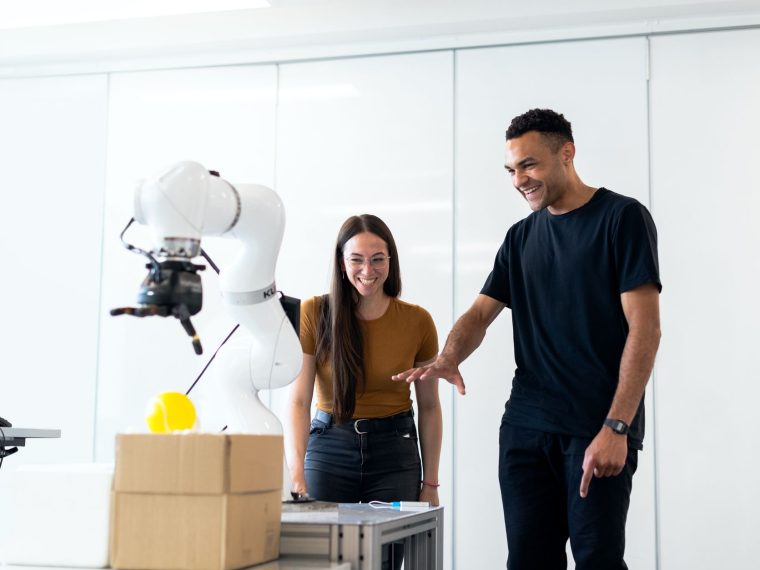
Photo by ThisIsEngineering on Pexels