
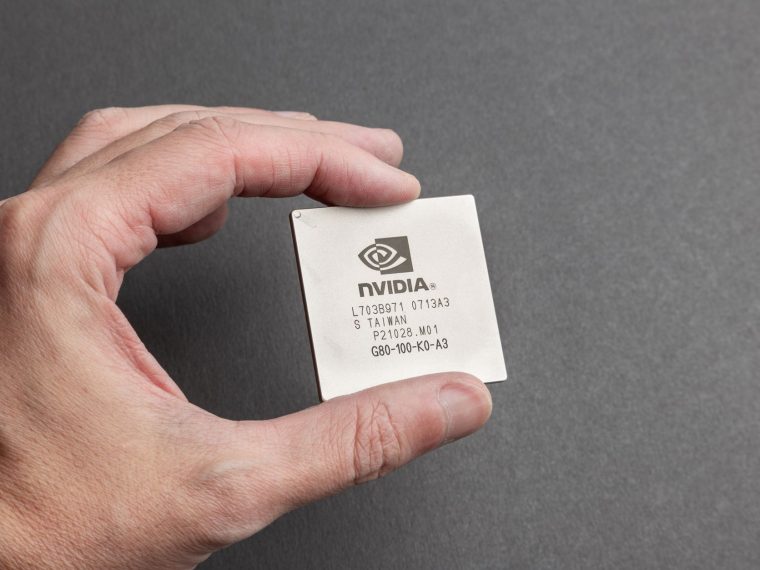
Nvidia China AI-chip share is experiencing a decline as Huawei closes the gap, according to a recent report. This shift could have significant implications for the competitive landscape in AI technology.
Overview of Nvidia’s Market Position
Nvidia has long been a dominant player in the AI-chip market, particularly in China, where its products are highly sought after for various applications, including machine learning and data processing. However, recent reports indicate that Nvidia’s China AI-chip share is beginning to decline as competition intensifies.
Huawei, a major Chinese technology company, has made significant advancements in its AI chip capabilities. This shift poses a challenge to Nvidia, as Huawei’s growing presence in the market threatens to erode Nvidia’s previously unassailable position.
The report highlights several factors contributing to this changing landscape:
- Technological Advancements: Huawei’s investment in research and development has resulted in innovative AI chip designs that are more competitive.
- Local Demand: Chinese companies are increasingly favoring homegrown solutions, driven by nationalistic sentiments and government support.
- Regulatory Environment: Geopolitical tensions may lead to stricter regulations on foreign technology, impacting Nvidia’s operations in the region.
As a result, industry analysts are closely monitoring how Nvidia will respond to this emerging competition and what strategies it may employ to maintain its foothold in the China AI-chip market.
Huawei’s Rise in AI Chip Production
Nvidia’s China AI-chip share is facing increasing competition as Huawei makes significant strides in the production of artificial intelligence chips. The tech giant has invested heavily in research and development, positioning itself as a formidable player in the AI sector.
Recent reports indicate that Huawei’s advancements are narrowing the gap between its chip offerings and those of Nvidia. This shift could have profound implications for Nvidia’s dominance in the Chinese market, where demand for AI technology is surging.
Key factors contributing to Huawei’s rise in AI chip production include:
- Increased Investment: Huawei has allocated substantial resources towards developing cutting-edge AI technologies.
- Local Partnerships: Collaborations with domestic firms have enhanced Huawei’s capabilities and market reach.
- Government Support: Favorable policies and investments from the Chinese government bolster Huawei’s production efforts.
As Huawei continues to innovate and improve its chip technology, it poses a significant challenge to Nvidia’s share in the China AI-chip market. This evolving landscape raises questions about the future competitiveness of Nvidia in a rapidly changing industry.
Impact on Global AI Chip Market
The competition in the global AI chip market is intensifying as Nvidia’s China AI-chip share experiences a decline. Analysts suggest that this shift could have significant repercussions for the landscape of artificial intelligence technology.
As Huawei continues to ramp up its production capabilities, the growing rivalry presents both challenges and opportunities. Industry experts highlight several key factors influencing this scenario:
- Increased Domestic Production: Huawei’s advancements in AI chip manufacturing are narrowing the gap with Nvidia, leading to a potential shift in market dynamics.
- Geopolitical Tensions: Ongoing trade tensions between the U.S. and China may impact Nvidia’s ability to operate effectively in the Chinese market, further affecting its share.
- Investment in Innovation: Both companies are investing heavily in research and development, striving to lead the next wave of AI technology.
The overall impact on the global AI chip market remains to be seen. However, as Nvidia’s China AI-chip share diminishes, the landscape may evolve, allowing for new players and innovations to emerge, ultimately reshaping the future of AI technology.
Analysis of Recent Reports
Recent reports indicate a notable shift in Nvidia’s China AI-chip share, as Huawei continues to enhance its production capabilities. Analysts suggest that the increasing competitiveness of Huawei poses a significant challenge to Nvidia’s dominance in the Chinese market. The company has historically enjoyed a substantial lead due to its cutting-edge technology and strong brand recognition.
However, Huawei’s recent advancements in AI chip production are beginning to alter the landscape. As the Chinese government invests heavily in domestic semiconductor capabilities, Huawei is well-positioned to capture a larger portion of the market. This shift raises concerns for Nvidia, particularly regarding its future profitability in one of the world’s largest tech markets.
Furthermore, the geopolitical climate adds another layer of complexity. Trade restrictions and sanctions against Chinese firms can influence Nvidia’s operations and strategic decisions. Some industry experts warn that if the trend continues, Nvidia’s China AI-chip share could diminish significantly, impacting its global revenue streams.
In summary, while Nvidia remains a key player in the AI chip sector, the rising capabilities of Huawei and the broader market dynamics suggest a challenging road ahead for the American tech giant.
Future Predictions for Nvidia
As the competitive landscape of AI chip production continues to evolve, future predictions for Nvidia’s China AI-chip share suggest a potentially challenging environment. With Huawei rapidly increasing its capabilities in AI chip manufacturing, industry analysts are closely monitoring how this shift might affect Nvidia’s dominance in the market.
Many experts believe that if Huawei maintains its current trajectory, it could significantly erode Nvidia’s market share in China. The implications of this shift could be far-reaching, impacting not only Nvidia’s revenue but also the broader global AI chip market.
In light of these developments, analysts are forecasting a few scenarios:
- Increased Competition: As Huawei improves its technology, Nvidia may face intensified competition, forcing the company to innovate or reduce prices.
- Strategic Partnerships: Nvidia may seek new partnerships or collaborations to bolster its position in China.
- Regulatory Challenges: Ongoing geopolitical tensions could lead to new regulations affecting Nvidia’s operations in the region.
Ultimately, the future of Nvidia’s China AI-chip share will depend on its ability to adapt to these emerging challenges while maintaining its technological edge.
Challenges Facing Nvidia in China
Nvidia faces several challenges in maintaining its AI-chip share in China, particularly as local competitors, notably Huawei, continue to advance in technology and production capabilities. The increasing sophistication of domestic AI chips poses a direct threat to Nvidia’s market dominance.
One significant challenge is the shifting landscape of geopolitical tensions. Export restrictions imposed by the U.S. government limit Nvidia’s ability to supply certain high-performance chips to Chinese companies, which, in turn, opens doors for local manufacturers to fill the gap. As Huawei ramps up its AI chip production, it not only enhances its technological expertise but also captures a growing share of the market.
Additionally, consumer sentiment in China is increasingly leaning towards supporting homegrown companies. This nationalistic trend can further erode Nvidia’s competitive edge as Chinese firms strive to innovate and offer solutions tailored to local needs.
The combination of these factors complicates Nvidia’s efforts to maintain its AI-chip share in China. To navigate this challenging environment, the company must develop strategies that address both the competitive landscape and the regulatory hurdles it faces.
- Geopolitical tensions affecting exports
- Rise of local competitors like Huawei
- Shifting consumer preferences towards domestic products
Comparison of Nvidia and Huawei Technologies
The competition between Nvidia and Huawei Technologies in the AI chip sector has intensified, particularly in the Chinese market. As Nvidia’s China AI-chip share declines, Huawei’s advancements in AI chip production have put pressure on Nvidia’s dominance.
Several factors contribute to this shift:
- Technological Innovations: Huawei has invested heavily in research and development, resulting in chips that are increasingly competitive in performance and efficiency.
- Government Support: The Chinese government has prioritized domestic technology firms, providing Huawei with substantial backing that enhances its market position.
- Supply Chain Resilience: Huawei has developed a more localized supply chain, mitigating risks associated with global supply chain disruptions that have affected Nvidia.
While Nvidia still holds a significant share in the global market, its reliance on foreign sales may hinder its ability to compete effectively in China. As Huawei closes the gap, the landscape of AI chip production is evolving rapidly. Analysts suggest that while Nvidia may maintain a lead in certain areas, its share in China is increasingly vulnerable to the rise of local competitors.
Expert Opinions on Market Trends
Experts in the technology sector weigh in on the implications of Nvidia’s dwindling China AI-chip share as competition intensifies with Huawei. Many analysts believe that this shift reflects a broader trend in the global semiconductor market.
According to Dr. Emily Chen, a technology analyst at Global Insights, “Nvidia’s challenges in China are indicative of a larger pattern where local manufacturers are rapidly catching up.” She emphasizes that Huawei’s advancements in AI chip production could significantly alter the competitive landscape.
John Lee, an investment strategist, highlights the impact on Nvidia’s profitability: “As Huawei closes the gap, Nvidia may face pricing pressures that could affect its margins, especially in the Chinese market.”
Moreover, some experts argue that government policies favoring local companies could further complicate Nvidia’s situation. “The Chinese government is likely to support domestic companies like Huawei, which could make it tougher for Nvidia to maintain its market share,” says Dr. Chen.
Overall, the consensus among experts is that Nvidia’s China AI-chip share decline could signal a shift towards a more competitive environment, urging the company to adapt strategically to maintain its leading position.
The recent surge in Nvidia China AI-chip share has raised questions about its implications for the global semiconductor market. Analysts are closely monitoring how the Nvidia China AI-chip share will influence competition with other tech giants.
Photo by Stas Knop on Pexels
Where this came from
You might also like
Rupee jumps against dollar: Smart move by RBI boosts value · Australian startup funding: Best proven growth trends · ixigo Q2 FY27 results: Smart Insights on Earnings Call


