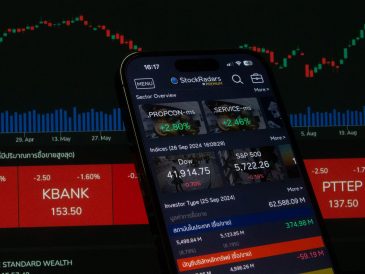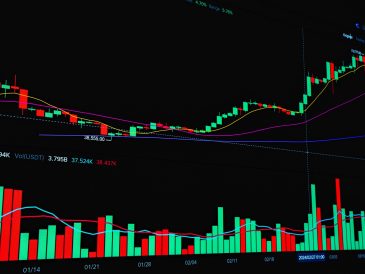
Sensex intraday drop has alarmed investors after a brief rise, leading to questions about market stability.
Understanding the Sensex Intraday Drop
The recent Sensex intraday drop has left investors concerned about the future trajectory of the market. After a brief period of gains, the index experienced a significant decline, plunging by 870 points during the trading session. This sharp downturn has raised questions about the sustainability of the recent market rally.
Market analysts suggest that this volatility could be attributed to a combination of factors, including:
- Global economic uncertainties that are affecting investor sentiment.
- Rising inflation rates which may prompt central banks to tighten monetary policies.
- Geopolitical tensions that have historically impacted market stability.
As the Sensex navigates these turbulent waters, investors are advised to remain cautious and consider diversifying their portfolios. While short-term fluctuations can be alarming, understanding the underlying causes can provide clarity and potential opportunities for informed decision-making.
Factors Contributing to Market Volatility
The recent Sensex intraday drop of 870 points has raised concerns among investors and market analysts alike. Several factors contribute to the current market volatility, creating an uncertain environment for traders.
- Global Economic Uncertainty: Ongoing geopolitical tensions and fluctuating commodity prices have led to increased anxiety among investors, resulting in erratic trading patterns.
- Inflation Rates: Rising inflation has prompted fears of tighter monetary policies, which could dampen economic growth and lead to a sell-off in equities.
- Corporate Earnings Reports: Disappointing earnings from major corporations have sparked concerns about the sustainability of profit margins, leading to a reevaluation of stock valuations.
- Market Sentiment: Negative investor sentiment, driven by fears of a potential recession, contributes to rapid shifts in stock prices and overall market dynamics.
As these elements interact, the market remains susceptible to sudden movements, making it a challenging landscape for investors navigating the Sensex intraday drop.
Expert Opinions on Future Market Trends
Market analysts are voicing their concerns following the recent Sensex intraday drop of 870 points. Many believe this decline signals deeper issues within the economy, potentially affecting investor confidence in the short term.
According to Rajesh Mehta, a financial analyst at XYZ Brokerage, “The recent fluctuations reflect the ongoing uncertainty in global markets, which could lead to additional volatility in the Indian equity market. Investors should brace for a challenging period ahead.”
Another expert, Sonia Kapoor, emphasizes the importance of strategic planning during such downturns: “Investors should focus on quality stocks and avoid panic selling. It’s crucial to look beyond the immediate Sensex intraday drop and consider long-term growth potential.”
Additionally, Deepak Sharma, a market strategist, suggests that “a consolidation phase may be underway, and patience will be key. This might be an opportunity for savvy investors to accumulate stocks at lower prices.”
As experts weigh in, the outlook remains cautious but hopeful for the future of the market.
Historical Context of Sensex Movements
The Sensex intraday drop observed recently has raised concerns among investors, particularly in light of historical market trends. Over the years, the Sensex has experienced numerous fluctuations influenced by various economic indicators and global events. These movements often serve as a barometer for investor sentiment and market stability.
Significant events that have led to abrupt shifts in the Sensex include:
- The 2008 Financial Crisis: The Sensex plummeted dramatically, reflecting widespread panic and uncertainty in global markets.
- Policy Changes: Sudden regulatory changes have resulted in sharp declines, impacting investor confidence and market performance.
- Geopolitical Tensions: International conflicts often cause investors to retreat, leading to a noticeable drop in the Sensex.
As the market continues to show volatility, the recent Sensex intraday drop serves as a reminder of the unpredictable nature of stock trading and the need for investors to remain vigilant.
Investor Reactions to Recent Market Changes
As the Sensex intraday drop of 870 points caught many investors off guard, reactions across the market have been varied and intense. Many investors expressed their concerns regarding the sudden downturn, particularly after a brief period of gains.
In light of recent events, several investors have taken to social media to share their thoughts:
- Short-term traders have voiced frustrations, stating that the volatility makes it challenging to execute effective strategies.
- Long-term investors remain optimistic, noting that market corrections are a natural part of investing.
- Newcomers to the market expressed confusion and anxiety, with many seeking advice on how to navigate these turbulent waters.
Despite the uncertainty, some seasoned investors emphasized the importance of maintaining a long-term perspective. “Market drops can be opportunities,” one veteran investor remarked, encouraging others to stay the course.
As the market continues to experience fluctuations, the sentiment among investors will likely evolve, shaping the future landscape of the Sensex.
Is Consolidation Here to Stay?
The recent Sensex intraday drop raises questions about the market’s future direction and whether the current phase of consolidation is likely to persist. Investors are grappling with various economic indicators that suggest a volatile outlook. Market analysts believe that the recent downturn is not just a temporary fluctuation but a sign of deeper trends affecting investor sentiment.
Some factors contributing to this consolidation phase include:
- Rising interest rates: Central banks are tightening monetary policy, which can dampen spending and investment.
- Geopolitical tensions: Ongoing global conflicts create uncertainty that often leads to market pullbacks.
- Corporate earnings reports: Mixed results from major companies can shift investor confidence.
As the market reacts to these influences, it remains to be seen how long this consolidation phase will last. Investors are advised to stay informed and consider a long-term strategy in navigating this turbulent period.
Tips for Navigating Market Uncertainty
Navigating market uncertainty can be challenging, especially in light of the recent Sensex intraday drop. Investors should consider several strategies to minimize risks and enhance their decision-making processes.
- Diversification: Spread investments across various sectors to reduce exposure to any single market movement.
- Stay Informed: Keep abreast of market trends, economic indicators, and geopolitical events that may impact the financial landscape.
- Set Realistic Goals: Clearly define investment objectives and timelines to avoid emotional reactions during market fluctuations.
- Risk Management: Utilize stop-loss orders to protect investments and limit potential losses during sharp downturns.
- Consult Experts: Seek advice from financial advisors or market analysts who can provide insights based on current trends and historical data.
By implementing these strategies, investors can better navigate the complexities of the market and position themselves effectively amidst uncertainties.