
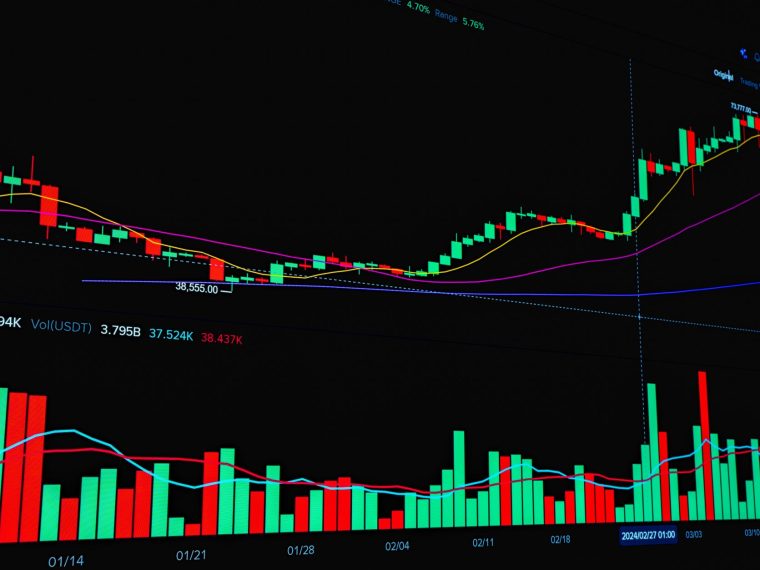
Stock Market Rise is evident as the Sensex jumps 512 points, driven by foreign institutional investors and lower crude prices. This positive shift signals potential opportunities for investors.
Understanding the Stock Market Rise
The recent stock market rise has captured the attention of both seasoned and novice investors. As the Sensex rose by 512 points, driven by significant foreign institutional investments (FIIs) and a decrease in crude oil prices, it is essential to understand the underlying factors contributing to this upward trend.
Several elements can influence the stock market rise, including:
- Economic Indicators: Positive reports on employment, consumer spending, and GDP growth can boost investor confidence.
- Global Events: Changes in international markets or geopolitical stability often impact local markets, leading to fluctuations in stock prices.
- Interest Rates: Lower interest rates generally encourage borrowing and investing, which can lead to a rise in stock prices.
- Corporate Performance: Strong earnings reports from leading companies can attract more investors, contributing to a stock market rise.
Understanding these dynamics can help investors make informed decisions and capitalize on the opportunities presented by the stock market rise.
Factors Driving the Sensex Up
The recent rise in the stock market has been influenced by several key factors that have contributed to the upward momentum of the Sensex. Investors are keenly observing these elements, which can provide insights into the sustainability of this trend.
- Foreign Institutional Investments (FIIs): A significant influx of capital from FIIs has been one of the primary drivers behind the stock market rise. Their confidence in the Indian economy has led to increased buying activity.
- Decline in Crude Oil Prices: The drop in crude oil prices has eased inflationary pressures, allowing investors to feel more optimistic about future economic growth and corporate earnings.
- Positive Economic Indicators: Recent reports indicating robust GDP growth and strong corporate earnings have bolstered investor sentiment, reinforcing the bullish trend in the market.
- Government Policies: Proactive measures taken by the government to boost economic activity have also played a role in driving the Sensex higher.
Understanding these factors is crucial for investors looking to capitalize on the stock market rise.
Impact of FIIs on Market Trends
The recent stock market rise has been significantly influenced by the activities of Foreign Institutional Investors (FIIs). These investors play a crucial role in shaping market trends, providing liquidity, and driving stock prices upward. Their increased participation has been instrumental in the Sensex rising by 512 points in recent trading sessions.
Several factors contribute to FIIs’ positive impact on the market:
- Increased Investment: A surge in FII inflows often signals confidence in the market, prompting domestic investors to follow suit.
- Global Trends: FIIs tend to respond to global economic signals, which can lead to synchronized movements in the stock markets across the globe.
- Stability: The presence of FIIs can provide a stabilizing effect during volatile periods, encouraging more investments and contributing to the overall stock market rise.
As the market continues to evolve, keeping an eye on FII trends will be vital for investors aiming to capitalize on opportunities presented by the stock market rise.
The Role of Crude Prices in Stock Performance
The recent rise in the stock market has been significantly influenced by fluctuations in crude oil prices. As investors seek stability and growth, lower crude prices have created a positive sentiment, contributing to the overall market uplift. When crude prices decline, it often leads to reduced costs for businesses, which can enhance profit margins and encourage spending.
Moreover, lower energy costs directly impact consumer spending power, resulting in increased disposable income. This phenomenon can lead to higher consumption rates, further boosting economic growth. In turn, a stronger economy typically supports a sustained stock market rise.
Investors are keenly aware of the interconnectedness of crude prices and stock performance, which is why monitoring these trends is essential. Understanding how global oil prices influence market dynamics can provide valuable insights for making informed investment decisions. As the market continues to evolve, adapting strategies based on the behavior of crude prices will be vital for those looking to capitalize on the stock market rise.
Investor Sentiment and Market Reactions
Investor sentiment plays a crucial role in the fluctuations of the stock market rise. When investors feel optimistic about the economy, they are more likely to invest, driving stock prices upward. Recent data indicates that a surge in Foreign Institutional Investors (FIIs) has significantly boosted this sentiment, contributing to the overall increase in market indices.
Market reactions to economic news, such as changes in crude oil prices and inflation rates, can also heavily influence investor behavior. For instance, lower crude prices have been perceived positively, as they reduce costs for many companies and increase potential profit margins. This, in turn, enhances investor confidence.
In addition to external factors, the psychological aspects of investing cannot be overlooked. Many investors follow the herd mentality, reacting to trends rather than fundamentals. This reaction can lead to swift movements in the stock market rise, as demonstrated by the recent spike in the Sensex, which gained 512 points in response to these developments.
- Optimism: Boosts investment activity.
- Market News: Influences investor decisions.
- Psychological Factors: Impact trading behavior.
Analyzing Historical Stock Market Data
Analyzing historical stock market data is crucial for understanding trends and making informed investment decisions. By reviewing past performance, investors can identify patterns that precede significant stock market rises.
One key aspect is the examination of previous bull markets. Historically, periods of sustained stock market rises have often been accompanied by strong economic indicators such as:
- Increasing GDP growth – A robust economy typically leads to higher corporate earnings, driving stock prices up.
- Low unemployment rates – When more people are employed, consumer spending increases, benefiting businesses.
- Rising corporate profits – Companies that report strong earnings tend to see their stock prices rise in response.
Moreover, investor sentiment plays a pivotal role. Data shows that positive news or trends can lead to heightened optimism, further fueling stock market rises. By understanding these historical patterns, investors can better position themselves to capitalize on future market movements and make strategic decisions that align with their financial goals.
Future Predictions for the Stock Market
As investors look ahead, the stock market rise has sparked numerous predictions regarding its future trajectory. Analysts suggest that several factors will continue to influence market performance in the coming months.
- Economic Recovery: With signs of recovery in key economic indicators, many experts predict sustained growth in stock prices.
- Interest Rates: The potential for interest rate adjustments by central banks may also impact investor behavior and market stability.
- Geopolitical Factors: Ongoing geopolitical tensions could create volatility, affecting investor confidence and the overall market climate.
- Technological Advancements: Continued innovation and tech sector growth may drive investment opportunities, further boosting market indexes.
Moreover, investor sentiment remains pivotal, as shifts in public perception can lead to rapid market changes. While some analysts are optimistic about a continuing bull market, others urge caution, emphasizing the need for strategic investment approaches. Ultimately, staying informed and adaptable will be essential for navigating the complexities of future market conditions.
Photo by Rafael Minguet Delgado on Pexels