
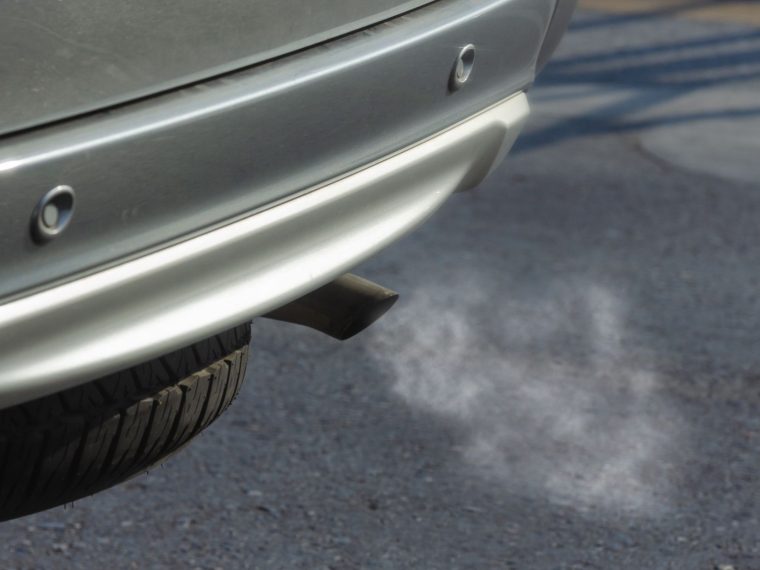
BS-VII Emission Norms are set to change the automotive landscape in 2029. This regulation will primarily impact cars and SUVs, raising questions about existing vehicles.
What Are BS-VII Emission Norms?
The BS-VII Emission Norms represent the latest regulatory framework aimed at reducing vehicular emissions in India. Scheduled to be implemented starting in 2029, these norms are set to replace the current BS-VI standards, which have already made significant strides in curbing air pollution.
The key objectives of the BS-VII Emission Norms include:
- Lower Emission Levels: Stricter limits on nitrogen oxides (NOx) and particulate matter (PM) will be enforced, pushing manufacturers to innovate and adopt cleaner technologies.
- Increased Fuel Efficiency: Vehicles will be required to achieve better fuel economy, thereby reducing overall carbon footprints.
- Enhanced Testing Procedures: More rigorous testing protocols will ensure that vehicles meet emission standards throughout their operational life.
- Promotion of Electric Vehicles: The norms will encourage the adoption of electric vehicles (EVs), further supporting the government’s vision for a sustainable automotive future.
As the transition to BS-VII Emission Norms approaches, existing vehicles may face challenges in compliance. Owners and manufacturers will need to adapt to these new regulations, potentially leading to significant implications for the automotive market.
Timeline for Implementation
The implementation timeline for the BS-VII emission norms has been a topic of significant discussion among automotive manufacturers and consumers alike. The new regulations are set to take effect in 2029, marking a substantial shift in emission standards across the country.
As the automotive industry prepares for this transition, several key dates have been outlined:
- 2025: Initial discussions and drafts of the BS-VII norms are expected to be circulated. This phase will involve consultations with industry stakeholders to finalize the regulations.
- 2027: Manufacturers will need to begin testing their vehicles to ensure compliance with the upcoming standards. This period will be crucial for making necessary adjustments to existing models.
- 2029: Official enforcement of BS-VII emission norms will commence. This rollout will primarily affect new cars and SUVs, leaving many existing vehicles in limbo.
The impact of these norms on existing vehicles raises concerns among owners who may find themselves facing compliance issues. As the automotive landscape shifts, it is essential for consumers to stay informed about the BS-VII emission norms and their implications for older models.
Impact on New Cars and SUVs
The introduction of BS-VII Emission Norms is set to transform the automotive landscape in India, particularly impacting new cars and SUVs. As manufacturers gear up to comply with these stringent regulations by 2029, the focus on cleaner emissions is reshaping vehicle design and technology.
New cars and SUVs will feature enhanced engines and advanced emission control systems aimed at significantly reducing pollutants. These changes are expected to improve fuel efficiency and provide a cleaner driving experience. However, the technological advancements required to meet BS-VII standards mean that many existing vehicles may become obsolete.
Consumers looking to buy new vehicles will notice a range of benefits, including:
- Lower emissions: New models will emit fewer harmful gases, contributing to better air quality.
- Increased efficiency: Enhanced technologies will lead to improved fuel economy, saving money at the pump.
- Modern features: New cars will come equipped with the latest safety and infotainment technologies.
Despite these advantages, the transition to BS-VII Emission Norms raises concerns for owners of older vehicles, as they may face challenges in maintaining compliance and operational efficiency.
What Happens to Existing Vehicles?
The implementation of BS-VII Emission Norms is set to bring significant changes to the automotive landscape, particularly affecting existing vehicles. As manufacturers adapt to stricter environmental standards, many older models may face challenges in compliance. This situation raises concerns for vehicle owners regarding the usability and resale value of their cars.
Under the new regulations, vehicles that do not meet BS-VII standards may experience:
- Increased Maintenance Costs: Older vehicles may require extensive modifications or retrofitting to align with the new norms, leading to higher expenses for owners.
- Limited Road Access: Certain cities may impose restrictions on older vehicles, potentially banning them from entering high-traffic areas to reduce pollution.
- Decreased Resale Value: As the market shifts towards compliant vehicles, the demand for older models may decline, adversely affecting their resale prices.
- Potential Penalties: Owners of non-compliant vehicles could face fines or other penalties as enforcement of the BS-VII Emission Norms becomes more stringent.
Consequently, vehicle owners are urged to stay informed about upcoming changes and consider their options to ensure compliance with BS-VII standards, safeguarding their investment in the long run.
Government’s Role in Transition
The introduction of BS-VII Emission Norms is a significant step towards reducing vehicular pollution, but it also places a substantial burden on existing vehicle owners. The government’s role in this transition is crucial as it must balance environmental goals with the realities faced by citizens.
To facilitate this change, the government is expected to implement several measures, including:
- Incentives for Upgrades: Offering financial incentives to encourage vehicle owners to upgrade to compliant models.
- Scrappage Policies: Introducing policies that support the scrapping of older, more polluting vehicles in exchange for benefits on new purchases.
- Awareness Campaigns: Launching campaigns to educate the public about the implications of BS-VII Emission Norms and the importance of transitioning to greener alternatives.
Additionally, the government must ensure that the infrastructure to support cleaner vehicles, such as charging stations for electric vehicles, is adequately developed. Failure to provide adequate support may lead to public discontent, especially among those who rely on their current vehicles for daily commuting. As the implementation date approaches, the effectiveness of the government’s strategies will be key in mitigating the adverse effects on existing vehicle owners.
Public Response to Emission Norms
The introduction of BS-VII Emission Norms has sparked a significant public response, particularly among vehicle owners and environmental advocates. Many individuals express concerns regarding the implications these regulations will have on their existing vehicles, which may soon become obsolete or face restrictions on road usage.
Among the general public, reactions have been mixed:
- Concern from Vehicle Owners: Owners of older vehicles are worried about the potential devaluation of their cars and the financial burden of upgrading to BS-VII compliant models.
- Environmental Advocates: Many support the new norms, arguing that stricter emissions standards are essential for reducing air pollution and improving public health.
- Automobile Industry Response: Some manufacturers have raised concerns about the feasibility of transitioning to these standards without significant investment in technology and infrastructure.
Furthermore, social media platforms have become a battleground for discussions, with hashtags related to BS-VII Emission Norms trending as users share their views and experiences. As the implementation date approaches, public sentiment is expected to evolve, potentially influencing future policy decisions regarding vehicle emissions.
Future of the Automotive Industry
The future of the automotive industry is set to undergo significant changes as the implementation of BS-VII Emission Norms approaches. With stricter regulations aimed at reducing air pollution, manufacturers must adapt swiftly to meet these new standards. This transition presents both challenges and opportunities for the industry.
As carmakers invest in advanced technologies to comply with the emission norms, the focus will likely shift towards electric and hybrid vehicles. This shift is not only a response to regulatory pressures but also a reflection of changing consumer preferences for more environmentally friendly options.
Furthermore, automakers will need to enhance their research and development efforts. Innovations in battery technology, alternative fuels, and more efficient internal combustion engines will play a crucial role in the industry’s evolution.
However, the transition to BS-VII Emission Norms will also take a toll on existing vehicles. Owners of older models may face challenges related to compliance and resale value. As the market adjusts, it will be essential for consumers to stay informed about their options.
Ultimately, while the new emission norms aim to promote cleaner air, they will reshape the landscape of the automotive industry in profound ways.
Conclusion and Next Steps
As the implementation of BS-VII emission norms approaches, it is clear that existing vehicles will face significant challenges. Vehicle owners must prepare for potential restrictions and the financial implications that may arise from these regulations.
In conclusion, the transition to BS-VII emission norms marks a critical juncture for the automotive industry and consumers alike. The following steps are essential for navigating this shift:
- Awareness and Education: Vehicle owners should stay informed about the specific requirements of BS-VII norms and how they affect their current vehicles.
- Upgrade Options: Consider upgrading to newer models that comply with the latest emission standards to avoid penalties and increased maintenance costs.
- Government Incentives: Take advantage of any government incentives or subsidies aimed at facilitating the transition to greener vehicles.
- Community Engagement: Participate in community discussions regarding the impact of these norms to voice concerns and seek collective solutions.
Ultimately, a collaborative approach between the government, manufacturers, and consumers will be crucial in minimizing the negative impact of BS-VII emission norms on existing vehicles while paving the way for a cleaner automotive future.
Photo by Khunkorn Laowisit on Pexels
Read the original
BlackRock earnings report: Is it the best investment choice? · Rupee Stability Shows Clear Signs of Improvement · Google Gemini 3.7: Is It the Best Quick Coding Tool?
