
RBI policy rate hike has led to banks raising lending rates, impacting borrowers across the nation. This change could affect loan affordability and economic growth.
Understanding the RBI Policy Rate Hike
The recent RBI policy rate hike has prompted significant changes in the banking sector, particularly affecting lending rates. As the Reserve Bank of India adjusts its policy rates to manage inflation and economic stability, banks are compelled to respond accordingly. This adjustment often leads to increased borrowing costs for consumers and businesses alike.
Understanding the implications of the RBI policy rate hike is crucial for both borrowers and lenders. Here are some key points:
- Increased Borrowing Costs: With higher policy rates, banks raise their lending rates, making loans more expensive for individuals and businesses.
- Impact on Home Loans: Home loan interest rates are likely to rise, which may deter potential buyers and slow down the real estate market.
- Effect on Small Businesses: Entrepreneurs may face higher costs for loans, impacting their ability to invest and grow.
- Saving Incentives: Higher rates may encourage savings as deposit rates also tend to increase, benefiting savers.
As the economic landscape evolves, monitoring these changes will be essential for informed financial decisions.
How Banks Adjust Lending Rates
Following the recent RBI policy rate hike, banks are compelled to reassess their lending rates in response to the changing economic landscape. The adjustment is often influenced by various factors, including the cost of borrowing, inflation, and overall market conditions.
Typically, when the Reserve Bank of India (RBI) increases its policy rate, banks face higher costs for securing funds. To maintain their profit margins, they may implement the following changes:
- Increase in Interest Rates: Banks often raise the interest rates on loans, making borrowing more expensive for consumers and businesses.
- Revised Loan Products: Financial institutions may introduce new loan products with varying rates to attract different segments of borrowers.
- Impact on Existing Loans: Borrowers with floating rate loans may see their EMI payments increase as banks adjust their rates in line with the RBI policy rate hike.
These changes can significantly affect consumer spending and investment decisions, ultimately shaping the broader economic environment.
Implications for Borrowers and Homebuyers
The recent RBI policy rate hike has significant implications for borrowers and homebuyers across the country. As the Reserve Bank of India adjusts its key interest rates to control inflation and stabilize the economy, financial institutions are compelled to follow suit by increasing their lending rates.
For borrowers, this means that the cost of loans will rise, impacting various types of credit, including:
- Home Loans: Monthly EMI payments will increase, making homeownership less affordable for many.
- Personal Loans: Higher interest rates may deter individuals from taking out personal loans for emergencies or significant purchases.
- Auto Loans: The rise in rates may lead to costlier car financing options, affecting vehicle sales.
Homebuyers who were previously considering purchasing a property may now hesitate due to elevated borrowing costs. Those with existing loans on a floating rate may also experience an increase in their EMI payments. Overall, the RBI policy rate hike will likely lead to a tightening of credit availability, impacting consumer spending and the housing market in the short term.
Economic Outlook Post Rate Hike
The recent RBI policy rate hike has sent ripples through the economic landscape, prompting various stakeholders to reassess their financial strategies. Economists are now forecasting a mixed outlook, with potential growth in some sectors while others may face challenges due to increased borrowing costs.
As banks adjust their lending rates in response to the RBI’s decision, the cost of loans is expected to rise. This adjustment may dampen consumer spending, particularly in sectors heavily reliant on credit, such as real estate and automobiles. The surge in lending rates could lead to a slowdown in home purchases and new investments, affecting overall economic growth.
However, some analysts suggest that higher rates could stabilize inflation, which has been a concern for policymakers. A controlled inflation environment might encourage a more sustainable economic recovery in the long run. Investors could also shift their focus towards fixed-income securities as borrowing becomes more expensive.
In conclusion, the economic outlook following the RBI policy rate hike remains uncertain, with both opportunities and challenges on the horizon for various sectors.
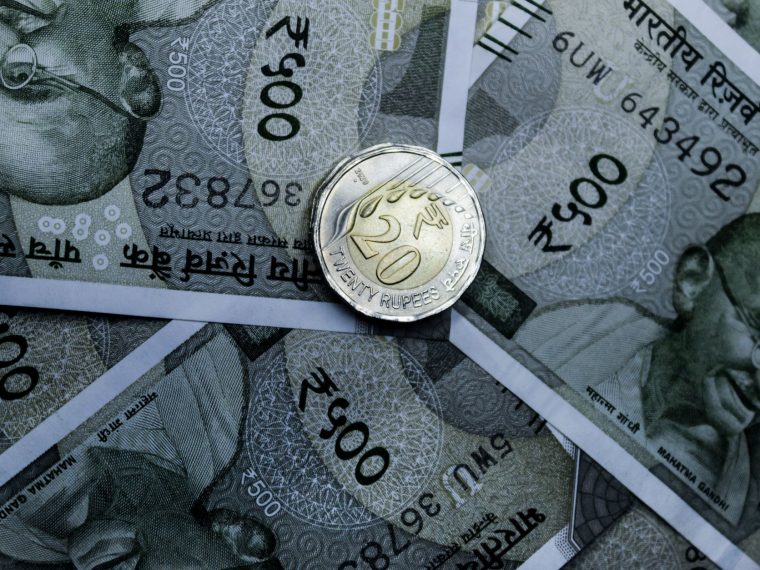
Photo by Ravi Roshan on Pexels